Buy multichannel.eu ?
We are moving the project
multichannel.eu .
Are you interested in purchasing the domain
multichannel.eu ?
domain@kv-gmbh.de · 0541-91531010
Buy multichannel.eu ?
What are skimming strategy and market penetration strategy?
Skimming strategy is a pricing strategy where a company sets a high price for a new product or service to target early adopters and customers willing to pay a premium. This strategy helps the company maximize profits before gradually lowering prices to attract more price-sensitive customers. On the other hand, market penetration strategy involves setting a low price for a product or service to quickly gain a large market share. This strategy aims to attract customers away from competitors by offering a more affordable option. Companies using this strategy often focus on increasing sales volume to offset the lower prices and potentially achieve economies of scale. **
What is the purpose of market segmentation strategy?
The purpose of market segmentation strategy is to divide a broad target market into smaller, more manageable segments based on similar characteristics, needs, or behaviors. This allows businesses to better understand and cater to the specific needs and preferences of different customer groups, leading to more effective marketing and product development. By tailoring their offerings to specific segments, businesses can increase customer satisfaction, loyalty, and ultimately, profitability. Additionally, market segmentation helps businesses identify new opportunities for growth and expansion within different market segments. **
Similar search terms for Market
Top-Angebote
Products related to Market:
-
Market StandOpen for business! Our sturdy handcrafted wooden Market Stand is the ultimate canvas for your budding proprietor to set up shop. Whether it's a farmer's market, flower shop, ice cream joint, or bakery, it's the perfect opportunity to practice...649,00 $*Shipping: 0,00 $Secure redirect to the provider
-
Uplifted Finds Predatory Engagement Wrestling Puppet Hub Predatory Engagement Wrestling Puppet HubTransform interactive play with the PredatoryEngagement Puppet, a professionalgrade interaction module engineered with manualsimulation logic. This highutility tool features a reinforced plush architecture and poseable limbs, specifically designed...85,97 $*Shipping: 0,00 $Secure redirect to the provider
-
DII Harvest Market TableclothDII offers a full collection of trend-based designs for all seasons. Incorporating the hottest colors and themes, DII brings you a fresh, innovative line of kitchen products, tabletop, gifts, and home decor for every season, every holiday and everyone.24,29 $*Shipping: 0,00 $Secure redirect to the provider




-
What is the difference between market exploration, market analysis, and market observation?
Market exploration involves actively seeking out new opportunities and potential markets, often through research and networking. Market analysis involves a more in-depth examination of specific market conditions, including trends, competition, and customer behavior. Market observation, on the other hand, involves simply watching and taking note of market activities and changes without actively seeking out new opportunities or conducting in-depth analysis. Overall, market exploration is about actively seeking new opportunities, market analysis is about understanding specific market conditions, and market observation is about passively watching market activities. **
-
What are market share and market growth?
Market share refers to the percentage of total sales in a market that a company holds. It is calculated by dividing a company's sales by the total market sales. Market growth, on the other hand, refers to the increase in the total size or value of a market over a specific period of time. It is often measured as a percentage increase in market sales or revenue. Both market share and market growth are important metrics for businesses to track in order to assess their performance and competitiveness in the market. **
-
What market forms exist in a market economy?
In a market economy, various market forms exist, including perfect competition, monopolistic competition, oligopoly, and monopoly. Perfect competition is characterized by many small firms selling identical products, with no single firm having market power. Monopolistic competition involves many firms selling similar but slightly differentiated products, allowing for some degree of market power. Oligopoly consists of a few large firms dominating the market, leading to interdependence among them. Monopoly occurs when a single firm controls the entire market, giving it significant market power. **
-
What are market-conforming and market-contrary measures?
Market-conforming measures are policies or actions that align with or support the existing market conditions and dynamics. These measures are designed to work within the framework of the market and are aimed at promoting its efficiency and stability. On the other hand, market-contrary measures are policies or actions that go against the existing market conditions and dynamics. These measures are designed to intervene in the market in order to correct perceived inefficiencies or imbalances, and may involve regulations, subsidies, or other interventions that disrupt the natural functioning of the market. **


Is the car market a perfect competition market?
The car market is not a perfect competition market. Perfect competition markets are characterized by many small firms producing identical products, easy entry and exit of firms, perfect information, and no market power for any individual firm. In the car market, there are a few large firms that dominate the industry, and they have significant market power to influence prices and competition. Additionally, the products offered by different car manufacturers are not identical, and there are barriers to entry for new firms due to high capital requirements and technological expertise. Therefore, the car market does not meet the criteria for perfect competition. **
What is a buyer's market and a seller's market?
A buyer's market is when there are more properties for sale than there are buyers looking to purchase, leading to lower prices and more negotiating power for buyers. On the other hand, a seller's market is when there are more buyers looking to purchase properties than there are properties available, leading to higher prices and more competition among buyers. In a seller's market, sellers have the advantage of receiving multiple offers and selling their properties quickly at or above asking price. **
Top-Angebote
Products related to Market:
-
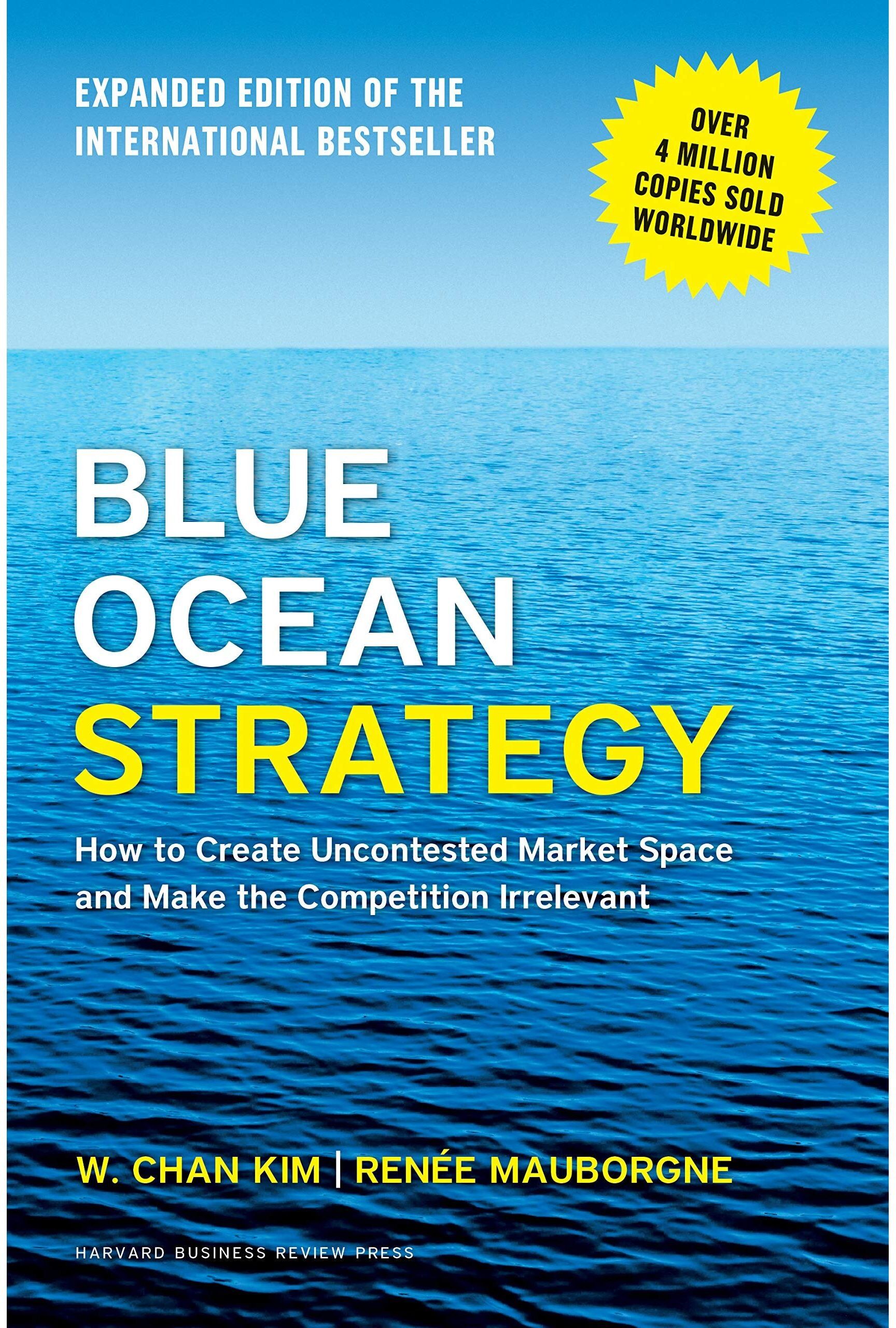
Harvard Business Review Press Blue Ocean Strategy, Expanded Edition: How to Create Uncontested Market Space and Make the Competition IrrelevantThe global phenomenon that has sold over 4 million copies, is published in a record-breaking 49 languages and is a bestseller across five continents—now updated and expanded with new content. Named by Fast Company as one of the most influential leadership books in its Leadership Hall of Fame. A strategy classic. In this perennial bestseller, embraced by organizations and industries worldwide, globally preeminent management thinkers W. Chan Kim and Renée Mauborgne challenge everything you thought you knew about the requirements for strategic success. Recognized as one of the most iconic and impactful strategy books ever written, BLUE OCEAN STRATEGY, now updated with fresh content from the authors, argues that cutthroat competition results in nothing but a bloody red ocean of rivals fighting over a shrinking profit pool. Based on a study of 150 strategic moves (spanning more than 100 years across 30 industries), the authors argue that lasting success comes not from battling competitors but from creating "blue oceans"—untapped new market spaces ripe for growth. BLUE OCEAN STRATEGY presents a systematic approach to making the competition irrelevant and outlines principles and tools any organization can use to create and capture their own blue oceans. This expanded edition includes: A new preface by the authors: Help! My Ocean Is Turning Red Updates on all cases and examples in the book, bringing their stories up to the present time Two new chapters and an expanded third one—Alignment, Renewal, and Red Ocean Traps—that address the most pressing questions readers have asked over the past 10 years A landmark work that upends traditional thinking about strategy, this bestselling book charts a bold new path to winning the future. Consider this your guide to creating uncontested market space—and making the competition irrelevant. To learn more about the power of BLUE OCEAN STRATEGY, visit blueoceanstrategy.com. There you'll find all the resources you need—from ideas in practice and cases from government and private industry, to teaching materials, mobile apps, real-time updates, and tips and tools to help you make your blue ocean journey a success.14,99 £*Shipping: 2,99 £Secure redirect to the provider
-
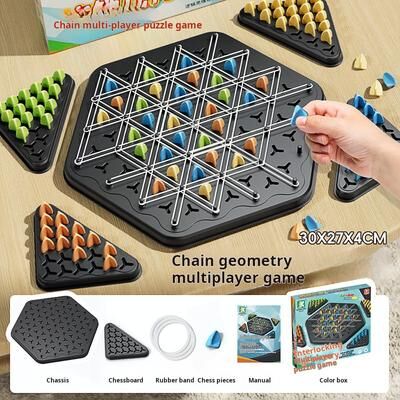
Perfect Picks Market Triggle Triangle Strategy Board Game Chain Triangle Chess Game With Rubber Bands For Family Game Night colorfulEnjoy a fastpaced challenge that turns simple moves into clever strategy. This Chain Triangle Chess Game invites friends and family to connect rubber bands across a triangular board while competing to capture territory and outsmart opponents....31,97 $*Shipping: 0,00 $Secure redirect to the provider
-
Market StandOpen for business! Our sturdy handcrafted wooden Market Stand is the ultimate canvas for your budding proprietor to set up shop. Whether it's a farmer's market, flower shop, ice cream joint, or bakery, it's the perfect opportunity to practice...649,00 $*Shipping: 0,00 $Secure redirect to the provider
-
What are skimming strategy and market penetration strategy?
Skimming strategy is a pricing strategy where a company sets a high price for a new product or service to target early adopters and customers willing to pay a premium. This strategy helps the company maximize profits before gradually lowering prices to attract more price-sensitive customers. On the other hand, market penetration strategy involves setting a low price for a product or service to quickly gain a large market share. This strategy aims to attract customers away from competitors by offering a more affordable option. Companies using this strategy often focus on increasing sales volume to offset the lower prices and potentially achieve economies of scale. **
-
What is the purpose of market segmentation strategy?
The purpose of market segmentation strategy is to divide a broad target market into smaller, more manageable segments based on similar characteristics, needs, or behaviors. This allows businesses to better understand and cater to the specific needs and preferences of different customer groups, leading to more effective marketing and product development. By tailoring their offerings to specific segments, businesses can increase customer satisfaction, loyalty, and ultimately, profitability. Additionally, market segmentation helps businesses identify new opportunities for growth and expansion within different market segments. **
-
What is the difference between market exploration, market analysis, and market observation?
Market exploration involves actively seeking out new opportunities and potential markets, often through research and networking. Market analysis involves a more in-depth examination of specific market conditions, including trends, competition, and customer behavior. Market observation, on the other hand, involves simply watching and taking note of market activities and changes without actively seeking out new opportunities or conducting in-depth analysis. Overall, market exploration is about actively seeking new opportunities, market analysis is about understanding specific market conditions, and market observation is about passively watching market activities. **
-
What are market share and market growth?
Market share refers to the percentage of total sales in a market that a company holds. It is calculated by dividing a company's sales by the total market sales. Market growth, on the other hand, refers to the increase in the total size or value of a market over a specific period of time. It is often measured as a percentage increase in market sales or revenue. Both market share and market growth are important metrics for businesses to track in order to assess their performance and competitiveness in the market. **
Similar search terms for Market
-
Uplifted Finds Predatory Engagement Wrestling Puppet Hub Predatory Engagement Wrestling Puppet HubTransform interactive play with the PredatoryEngagement Puppet, a professionalgrade interaction module engineered with manualsimulation logic. This highutility tool features a reinforced plush architecture and poseable limbs, specifically designed...85,97 $*Shipping: 0,00 $Secure redirect to the provider
-
DII Harvest Market TableclothDII offers a full collection of trend-based designs for all seasons. Incorporating the hottest colors and themes, DII brings you a fresh, innovative line of kitchen products, tabletop, gifts, and home decor for every season, every holiday and everyone.24,29 $*Shipping: 0,00 $Secure redirect to the provider
-
Market StandOpen for business! Our sturdy handcrafted wooden Market Stand is the ultimate canvas for your budding proprietor to set up shop. Whether it's a farmer's market, flower shop, ice cream joint, or bakery, it's the perfect opportunity to practice...649,00 $*Shipping: 0,00 $Secure redirect to the provider
-
Market StandOpen for business! Our sturdy handcrafted wooden Market Stand is the ultimate canvas for your budding proprietor to set up shop. Whether it's a farmer's market, flower shop, ice cream joint, or bakery, it's the perfect opportunity to practice...649,00 $*Shipping: 0,00 $Secure redirect to the provider
-
What market forms exist in a market economy?
In a market economy, various market forms exist, including perfect competition, monopolistic competition, oligopoly, and monopoly. Perfect competition is characterized by many small firms selling identical products, with no single firm having market power. Monopolistic competition involves many firms selling similar but slightly differentiated products, allowing for some degree of market power. Oligopoly consists of a few large firms dominating the market, leading to interdependence among them. Monopoly occurs when a single firm controls the entire market, giving it significant market power. **
-
What are market-conforming and market-contrary measures?
Market-conforming measures are policies or actions that align with or support the existing market conditions and dynamics. These measures are designed to work within the framework of the market and are aimed at promoting its efficiency and stability. On the other hand, market-contrary measures are policies or actions that go against the existing market conditions and dynamics. These measures are designed to intervene in the market in order to correct perceived inefficiencies or imbalances, and may involve regulations, subsidies, or other interventions that disrupt the natural functioning of the market. **
-
Is the car market a perfect competition market?
The car market is not a perfect competition market. Perfect competition markets are characterized by many small firms producing identical products, easy entry and exit of firms, perfect information, and no market power for any individual firm. In the car market, there are a few large firms that dominate the industry, and they have significant market power to influence prices and competition. Additionally, the products offered by different car manufacturers are not identical, and there are barriers to entry for new firms due to high capital requirements and technological expertise. Therefore, the car market does not meet the criteria for perfect competition. **
-
What is a buyer's market and a seller's market?
A buyer's market is when there are more properties for sale than there are buyers looking to purchase, leading to lower prices and more negotiating power for buyers. On the other hand, a seller's market is when there are more buyers looking to purchase properties than there are properties available, leading to higher prices and more competition among buyers. In a seller's market, sellers have the advantage of receiving multiple offers and selling their properties quickly at or above asking price. **
* All prices are inclusive of VAT and, if applicable, plus shipping costs. The offer information is based on the details provided by the respective shop and is updated through automated processes. Real-time updates do not occur, so deviations can occur in individual cases. ** Note: Parts of this content were created by AI.